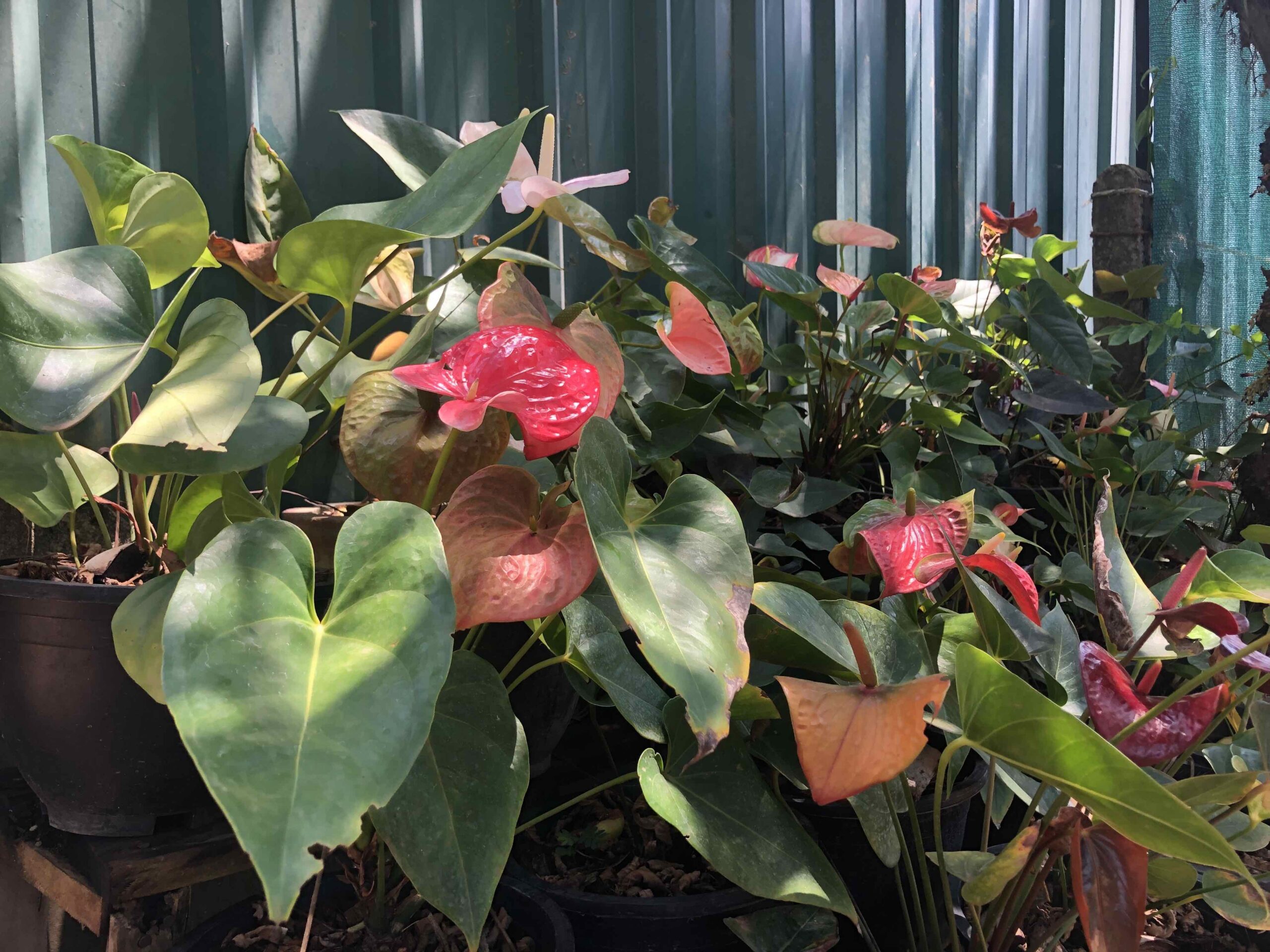
Anthurium cultivation has become one of the most attractive floriculture ventures in Sri Lanka, combining aesthetic beauty with strong commercial value. Known for their glossy, heart-shaped spathes and vibrant colors, anthuriums are highly demanded in both local and export markets. Over the past decade, many Sri Lankan growers—ranging from small home gardeners to large-scale commercial farmers—have embraced anthurium plantation as a profitable and sustainable agricultural practice.
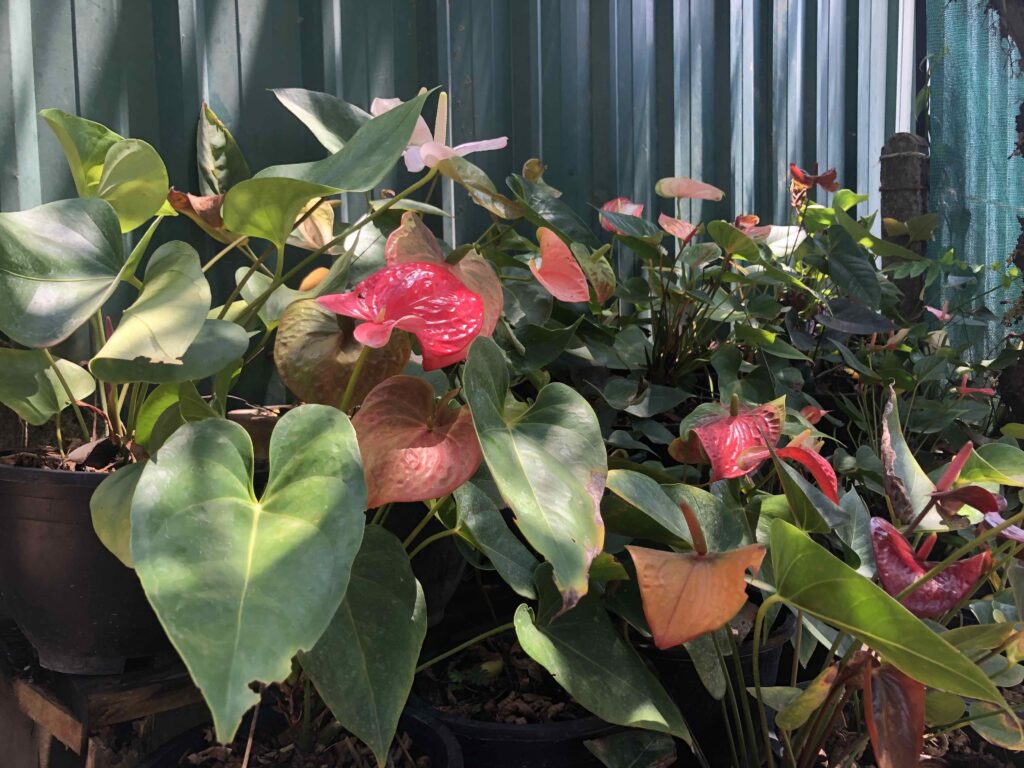
One of the key advantages of growing anthuriums in Sri Lanka is the country’s favorable tropical climate. With consistent temperatures between 20°C and 30°C and high humidity levels, many regions naturally support healthy plant growth. However, successful cultivation requires controlled environments such as shade houses or net houses to protect plants from direct sunlight and heavy rain. Areas in the Western, Central, and Sabaragamuwa provinces are especially suitable due to their balanced climate conditions.
Soil and growing medium play a crucial role in anthurium production. Unlike many traditional crops, anthuriums thrive in well-drained, airy media rather than compact soil. Sri Lankan growers commonly use a mix of coconut husk chips, coir dust, and charcoal. These materials are locally available and align well with sustainable agricultural practices. Proper drainage and aeration help prevent root diseases, which are a major concern in humid environments.
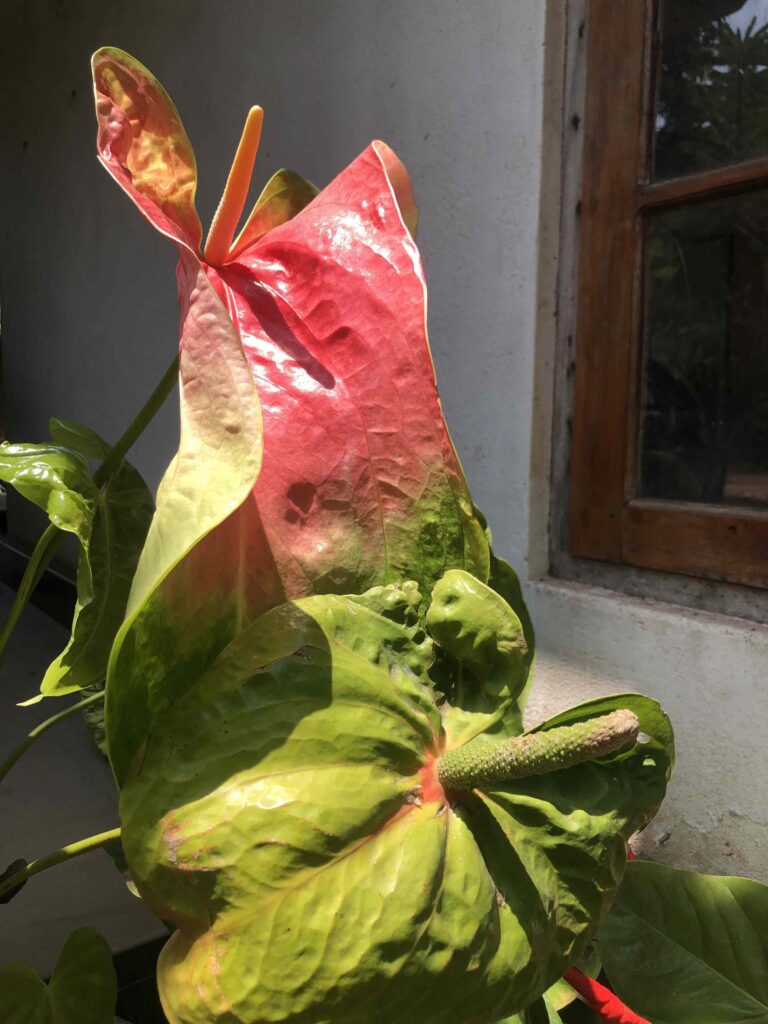
Water management is another critical factor. While anthuriums require consistent moisture, overwatering can lead to root rot and fungal infections. Drip irrigation systems are increasingly used in commercial plantations across Sri Lanka, allowing precise control of water supply. Additionally, maintaining humidity through misting systems helps replicate the plant’s natural rainforest habitat.
Fertilization practices in Sri Lanka often involve a balanced combination of organic and inorganic nutrients. Liquid fertilizers are commonly applied to ensure efficient nutrient absorption. Growers also pay close attention to micronutrients, as deficiencies can directly affect flower quality, which is crucial for market value. Export-grade anthuriums must meet strict quality standards, especially in terms of size, color uniformity, and durability.
Pest and disease management remains a challenge in anthurium cultivation. Common issues include bacterial blight, leaf spot, and pests such as aphids and mites. Sri Lankan farmers are increasingly adopting integrated pest management (IPM) techniques to minimize chemical usage while maintaining crop health. This approach not only protects the environment but also enhances the market appeal of the flowers, particularly for eco-conscious international buyers.
The economic potential of anthurium farming in Sri Lanka is significant. With proper management, growers can achieve year-round production and consistent income. The export market, particularly to countries in Europe and the Middle East, offers lucrative opportunities. Government support programs and agricultural extension services have also played a role in encouraging floriculture as a viable income source.


One response to “Blooming Profits: The Rise of Anthurium Cultivation in Sri Lanka”
Hi, this is a comment.
To get started with moderating, editing, and deleting comments, please visit the Comments screen in the dashboard.
Commenter avatars come from Gravatar.